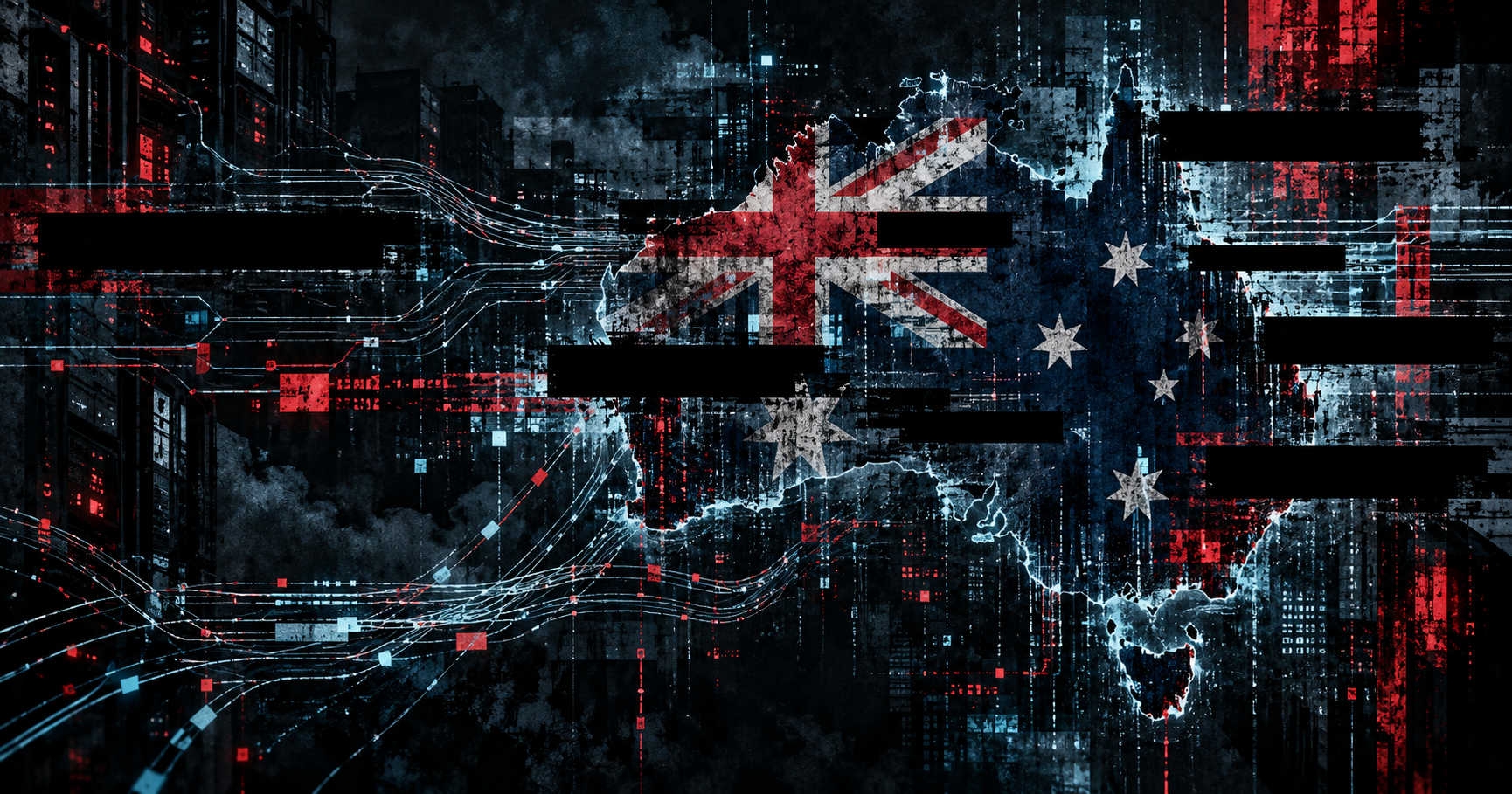
The ongoing attempts by UK online regulator Ofcom, using its new powers under the Online Safety Act, to enforce a fine against the American platform 4chan has taken a new turn.
This week, Ofcom told the British newspaper The Independent how it plans to recover a £520,000 penalty it has levied against the American imageboard 4chan, and in doing so it disclosed the architecture of its own overreach.
Asked how it would extract money from an entity with no staff, no servers, and no assets anywhere in the United Kingdom, Ofcom said it had begun work to pursue the sum “regardless of where the firm is based.” Such efforts, a spokesperson explained, can involve debt-recovery specialists, financial investigators, and, in the telling phrase, “local law enforcement agencies and courts” in the jurisdiction where the target’s assets sit.
For a company like 4chan, that exists only in the United States, that jurisdiction is the United States. The regulator has, in other words, floated the proposition that American police and American courts might be enlisted to enforce a British speech penalty against an American publisher.
The extraterritorial move
Strip away the bureaucratic phrasing and the claim is remarkable in two respects. The first is the assertion that the United Kingdom’s Online Safety Act, its censorship-and-age-verification statute, governs the conduct of a publisher operating wholly on U.S. soil. The second, and more novel, is the suggestion that domestic American institutions can be conscripted to finish the job the foreign statute began. This goes beyond a claim that British law reaches Americans. It is a claim that British law can commandeer the American state to police Americans on Britain’s behalf.
Preston Byrne, the U.S. attorney representing 4chan, identified the legal problem in a single line, calling the theory “legally illiterate” and inviting Ofcom to try its luck in an American court. The deeper point he raised is the one policymakers should sit with. Enforcement of this kind would run headlong into the U.S. criminal code, since, as Byrne noted, “deprivation of rights under color of law is a literal felony” in the United States.
An American officer who acted to strip a protected American publisher of its First Amendment rights at the behest of a foreign regulator would not be executing a lawful order. He would be exposing himself to federal prosecution. That is the statutory reality that makes the regulator’s “local law enforcement” pathway a dead letter.