German Chancellor Friedrich Merz has publicly said he wants to see people use their real names when participating online, arguing that anonymity online contributes to misinformation and social division. He stated that he wants “to see real names on the internet” and to know who is speaking in public discussions, drawing a parallel with political debate in society.
As has become typical, Merz justified his comments by an appeal to protecting democracy and protecting children. Merz warned that “enemies of our freedom, enemies of our democracy, enemies of an open and liberal society” were using technology to manipulate society, asking “do we want to allow our society to be undermined in this way from within and our youth and children to be endangered in this way?”
Merz also specified that he wanted those who engage in political speech specifically to lose their anonymity.
“In politics, we engage in debates in our society using our real names and without visors. I expect the same from everyone else who critically examines our country and our society,” said the German Chancellor.
The comments came amid a push, mirrored in other countries, to restrict the use of social media for under-16s. At the Christian Democratic Union’s federal party conference, Merz’s party approved a motion urging the federal government to introduce a legal minimum age for social media use. The resolution calls for a ban on use of platforms like TikTok and Instagram for children under 14, and for special protections up to age 16.
These moves in Germany come amid broader discussions in Europe about age verification and online safety for minors. Across the EU several countries are either implementing or studying systems that require users to prove age or identity before accessing certain content or services, including proposals to link checks to digital identity tools being developed at the EU level.
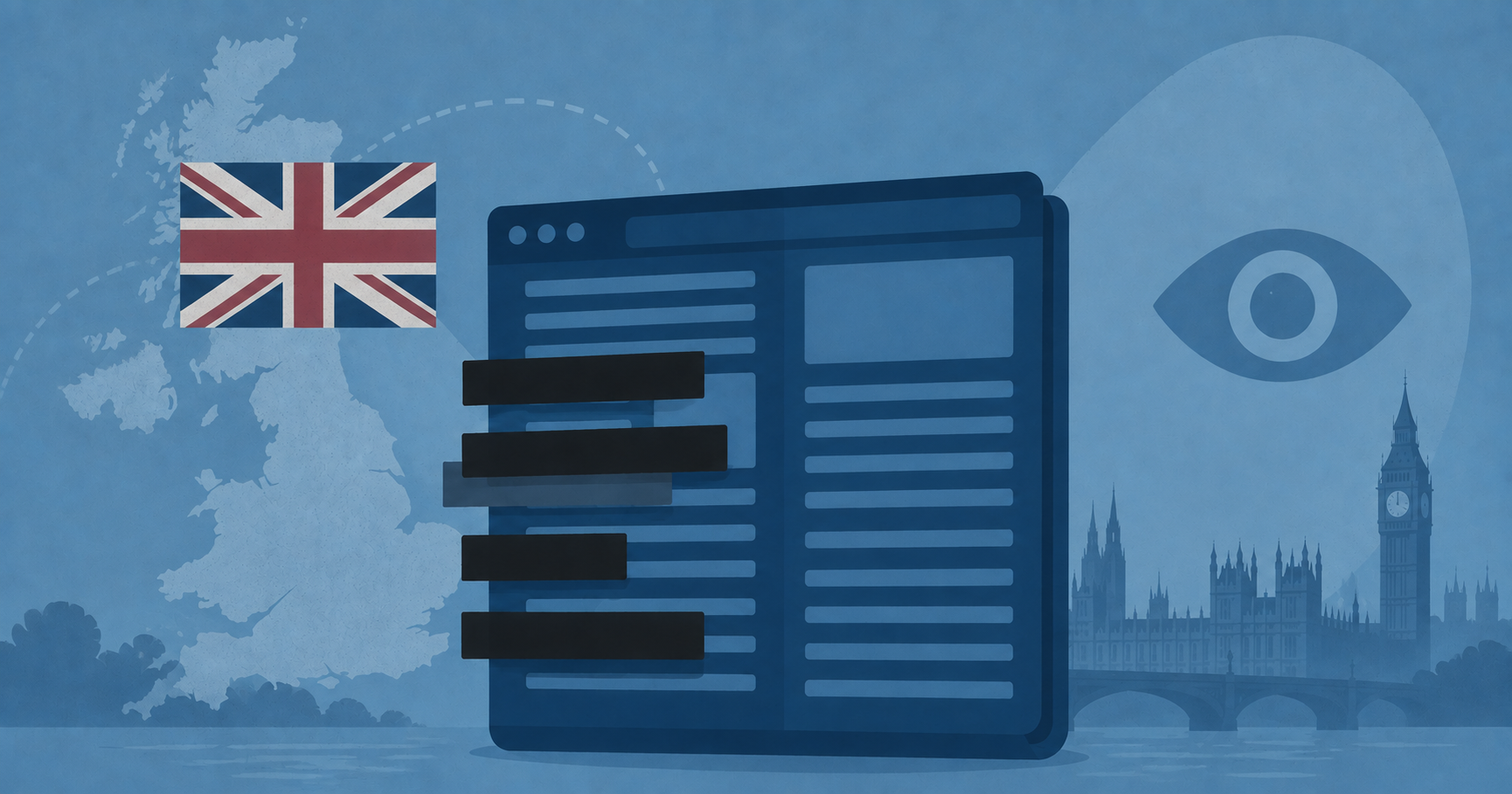
The Online Safety Act, the UK’s draconian anti-hate and anti-disinformation law now being used to target American free speech platforms, was sold to the public as a child safety measure — and is now being used as the thin end of the wedge to promote ID verification for the use of VPNs.
Australia has implemented a nationwide minimum age law, and several European nations including France and Spain are considering their own forms of age verification or access limits, part of a wider global campaign to regulate speech and privacy on American tech platforms.