For the first time, the legislative branch is moving to convert President Trump’s executive ban on federal censorship into appropriations law.
Introduced by Rep. Mario Díaz-Balart (R-FL-26), appropriations bill H.R. 8595 would lock key provisions of Executive Order 14149 (Restoring Freedom of Speech and Ending Federal Censorship) into binding statutory funding restrictions, a move that would likely bring a permanent close to the era of American tax dollars being used to censor American citizens.
On page 98 of the bill text, Congress prohibits federal agencies from spending any appropriated dollar in contravention of the order:
None of the funds made available for the programs… may be used in contravention of Executive Order 14149, relating to Restoring Freedom of Speech and Ending Federal Censorship.
Appropriations bills apply to every agency that receives the relevant accounts, and reversing them requires Congress to affirmatively vote to put the censorship machinery back online. With the prohibition on its funding codified into law, it is likely that the censorship industry will never again see a fraction of the immense taxpayer support it received from 2016 – 2025.
What the Bill Defunds
The headline provision sits on page 252. It bars the use of any appropriated funds to “deplatform, deboost, demonetize, suppress, or otherwise penalize” online speech, social media activity, or news content that is lawful under U.S. law.
This wording catches the obvious — agency officials phoning Big Tech trust and safety teams to demand takedowns, the workflow that became infamous through the Twitter Files, the Murthy v. Missouri litigation, and FFO’s exposure of agencies like CISA forming third-party censorship consortiums from whole cloth.
It also covers federal grant money flowing to academic and NGO projects whose practical output is pressure on advertisers, payment processors, and infrastructure providers to drop disfavored publishers.
That second category is where the censorship industrial complex has done much of its work. The architecture built out across the Election Integrity Partnership (later the Virality Project), the Global Disinformation Index, NewsGuard, Meedan, American University’s PERIL lab, and dozens of smaller nodes was never primarily about government takedown requests. It was about laundering federally subsidized speech-suppression activity through “civil society” intermediaries, brand safety consortiums, and ad-tech compliance regimes that could throttle disfavored speech without leaving direct government fingerprints.
H.R. 8595 names this architecture. Federal funds cannot flow to programs designed to impose “legal, regulatory, financial, reputational, commercial, or political costs” on American tech companies, social media platforms, online intermediaries, or digital publishers for hosting First Amendment protected speech. Inducing advertisers to “cut off, reduce, redirect, or otherwise interfere with advertising, sponsorship, payment, or other revenue on the basis of lawful online speech.
This is the precise mechanism behind the GARM-style ad cartel that the House Judiciary Committee documented in its 2024 report. This appropriations measure, if passed, will add a further layer of prohibition on top of the FTC’s recent consent decree forbidding ad giants IPG and Omnicom from engaging in such practices.
Closing the Foreign Speech-Laundering Loophole
The bill also confronts a recent priority of the censorship industry: jurisdictional arbitrage.
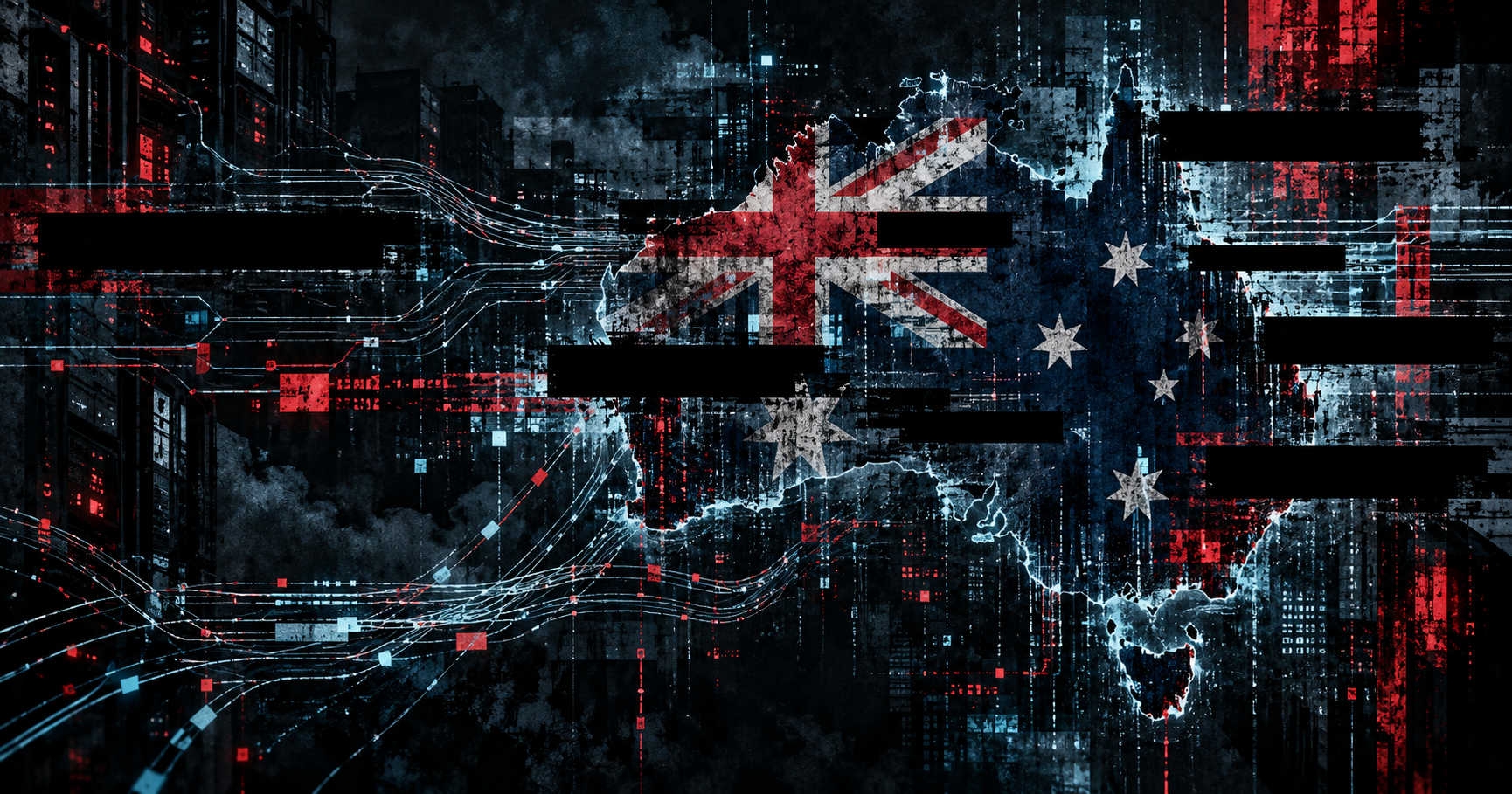
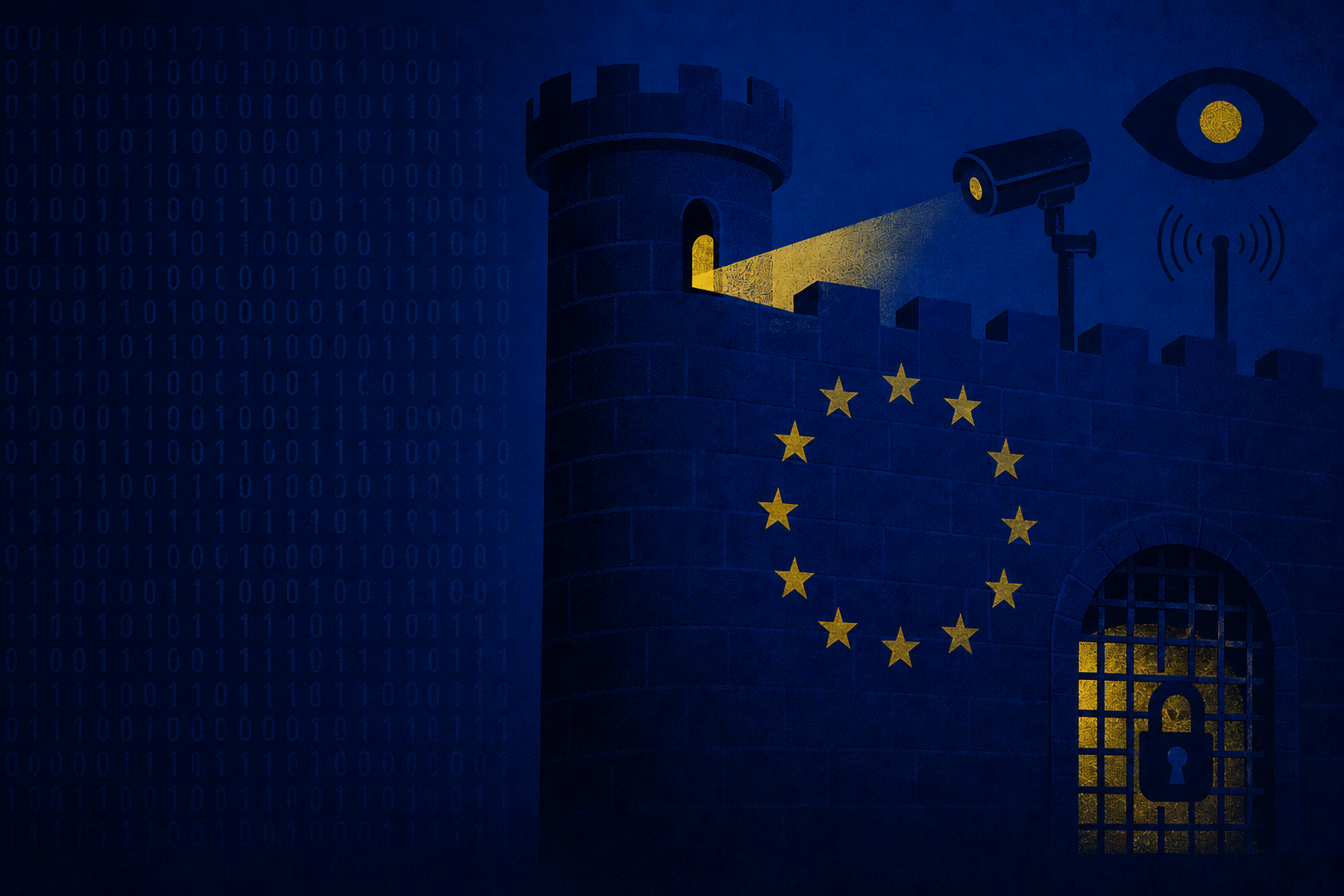
After the domestic censorship operation began suffering political and legal setbacks, such as the Missouri attorneys general lawsuit, the Weaponization Subcommittee, and the dismantling of the Global Engagement Center’s domestic operations, the censorship industrial complex pivoted abroad. The strategy was straightforward: get Brussels to pass the Digital Services Act, get London to pass the Online Safety Act, get Canberra to pass its misinformation legislation, then route the speech restrictions through the global compliance obligations of U.S. platforms back into the American information environment.
SEE ALSO: 23 US-Funded Organizations Drive The EU’s War on Tech Companies
H.R. 8595 builds a federal funding wall against this. American agencies cannot use these appropriations to support foreign laws, regulations, codes, or enforcement mechanisms that punish U.S. platforms for carrying speech that would be lawful under U.S. law. The State Department cannot fund foreign regulators standing up DSA-style obligations. USAID-style democracy-and-governance accounts cannot underwrite “anti-disinformation” enforcement bodies abroad whose practical effect is to police American speech.
A Hardened Perimeter Around U.S. Media
Page 99 builds a tighter perimeter specifically around American media and news entities. Federal funds cannot be used to push for the censorship of their social media content, to influence consumer or advertising behavior toward them, or to characterize independent U.S. news organizations as producers of “disinformation, misinformation, or malinformation.”
That triad of terms is treated as the operational vocabulary of a system rather than as neutral analytical categories. The Department of Homeland Security’s own Disinformation Governance Board lexicon, the CISA “MDM” framework, the State Department’s GEC programs, and the academic-NGO labeling pipeline all run on those three words.
Once an outlet gets tagged as a “disinformation” or “malinformation” source by a federally funded project, the consequences cascade through the private compliance layer: algorithmic suppression, ad network defection, payment processor caution, banking risk reviews, search demotion. The bill cuts off federal funding for the labeling machinery that triggers the cascade: a direct hit on organizations like NewsGuard, which assigns “warning labels” to news sources it disapproves of, and which previously received federal funds.
SEE ALSO: NewsGuard Strategy Revealed: Financial Throttling, Virality Suppression, Institutional Partnerships
The Foreign Counter-Disinformation Carve-Out
The bill is not absolute. A provision on page 98 authorizes “counter disinformation” programs in narrow circumstances. Appropriations for these programs “may only be made available for the purpose of countering such efforts by foreign state and non-state actors abroad.”
The carve-out is geographic and directional. Funds can target genuine foreign influence operations operating outside the United States. They cannot be turned inward on American speech, and they cannot be turned inward on Americans – a common occurrence during the Russiagate panic, which saw countless Americans falsely tagged as Russian bots on social media.
An Overdue Course Correction
For the better part of a decade, every significant piece of legislation touching online speech has moved in one direction: more authority for federal and quasi-governmental bodies to determine what counts as acceptable expression, more pressure on platforms to comply, more funding for “research” outfits whose practical product is enemies lists.
H.R. 8595 inverts the pattern. It treats federal involvement in suppressing lawful speech as a problem to be defunded line item by line item. It names the specific tactics — deplatforming, demonetization, ad boycotts, blacklists, “MDM” labeling, foreign regulatory laundering — that the censorship industrial complex has used, blocking each of them. And it locks the core prohibitions of EO 14149 into the appropriations process so that they survive the next political cycle.
The bill still has to survive reconciliation with the Senate, and the agencies subject to it will have to actually comply once the funding restrictions take effect. Both are real questions. But the legislative architecture itself is the most serious congressional move against the federal censorship machinery to date, a potentially permanent end to the pipeline of American taxpayer dollars that built the censorship industry.