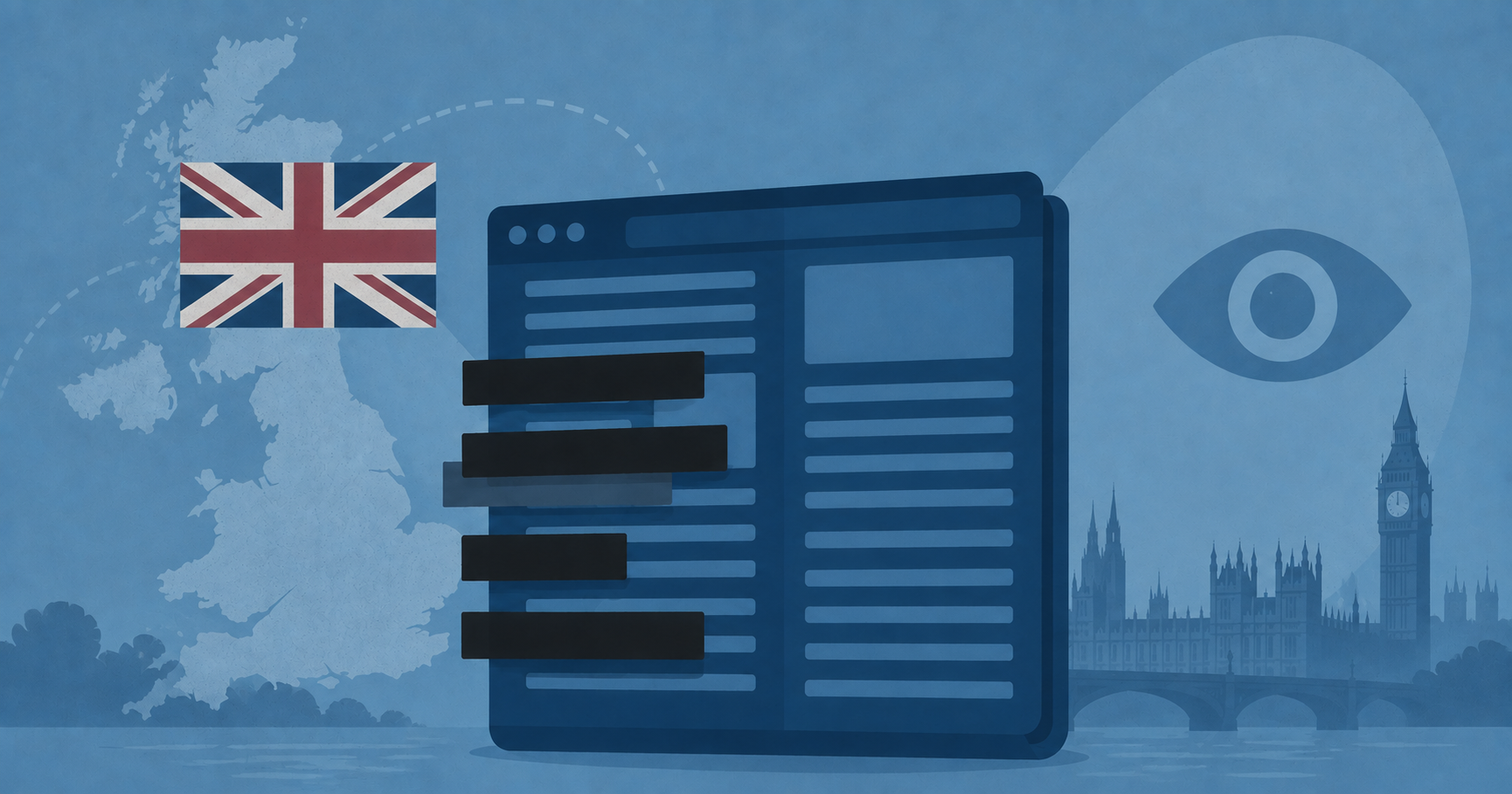
The government of the UK is rallying international support to ban X over a controversy over an ongoing controversy regarding the use of AI to replace women’s clothing with bikinis.
“If X cannot control Grok, we will,” UK Prime Minister Keir Starmer told MPs this week, saying the platform may “lose the right to self regulate.” Ofcom, the UK regulatory body charged with enforcing the country’s Online Safety Act, announced it had started an investigation into Grok.
While the UK has singled out X and Grok over the issue, it has not made similar threats against OpenAI’s ChatGPT, which, as The Sunday Times reports, can also be used to “digitally undress” women.
Users on X have reported that Google’s AI model, Gemini, will also follow the same prompts.

All AI models, including Grok, ChatGPT, and Gemini have guardrails that prevent them from following instructions to sexualize photos of real people.
If prompted to replace a real person’s clothing with underwear, the AIs would reject the prompt. Bikini prompts have emerged as a way to bypass these safety guardrails, since AIs – trained on human language – do no not interpret bikinis as sexualized, no doubt because a large corpus of human language categorizes them as swimsuits that can be worn in public, not underwear.
Grok is hardly unique amongst AI models in its readiness to follow these prompts. It is also technically a separate product from X, though it can be accessed through the platform.
Yet it is is X that is now being threatened with a China-style “great firewall” ban in the UK, with the British government also attempting to rope its allies Australia and Canada into a joint ban.

Two governments, Indonesia and Malaysia, have already temporarily blocked Grok over the controversy.
Yet it appears that the UK may currently lack the legal authority to immediately oppose a ban on the platform, with UK Technology Minister Liz Kendall announcing that a new criminal offence will be brought into force that will “will make it illegal for companies to supply tools designed to create non-consensual intimate images.”

Adam Wren, a British victims’ rights campaigner who has drawn attention to the failure of successive UK governments to protect women and girls from foreign grooming gangs, was skeptical.
“This means what, exactly? We’re banning language models? iPhones? Computers in general?”
The U.S. Undersecretary of State for Public Diplomacy, Sarah Rodgers, also contrasted the UK Labour government’s rush to target X with the same party’s response to the grooming gangs scandal, which saw one local Labour government official refer to victims as “white trash.”

Rep. Anna Paulina Luna, the representative for Florida’s 1st district, said there would be consequences for Keir Starmer and for the UK if the ban on X was successful.
“If Starmer is successful in banning X in Britain, I will move forward with legislation that is currently being drafted to sanction not only Starmer, but Britain as a whole,” said Rep. Luna.
“This would mirror actions previously taken by the United States in response to foreign governments restricting the platform, including the dispute with Brazil in 2024–2025, which resulted in tariffs, visa revocations, and sanctions and consequences tied to free speech concerns against Brazilian officials over concerns related to censorship and free-speech violations.”