SUMMARY
- The Parliament of Wales in the UK passed a law that would make it illegal for political candidates to lie during elections
- An “independent judicial process” would determine if the Welsh candidate is guilty of lying and therefore should be banned from holding office
- The law would empower officials to pursue criminal offenses for that make false or misleading statements to help an election candidate
- The law would not come into effect until 2030 at the earliest, but may have startling consequences for free speech in region of the United Kingdom
- A chief advocate and former Plaid Cymru leader said that such laws are needed to prevent the rise of fascism
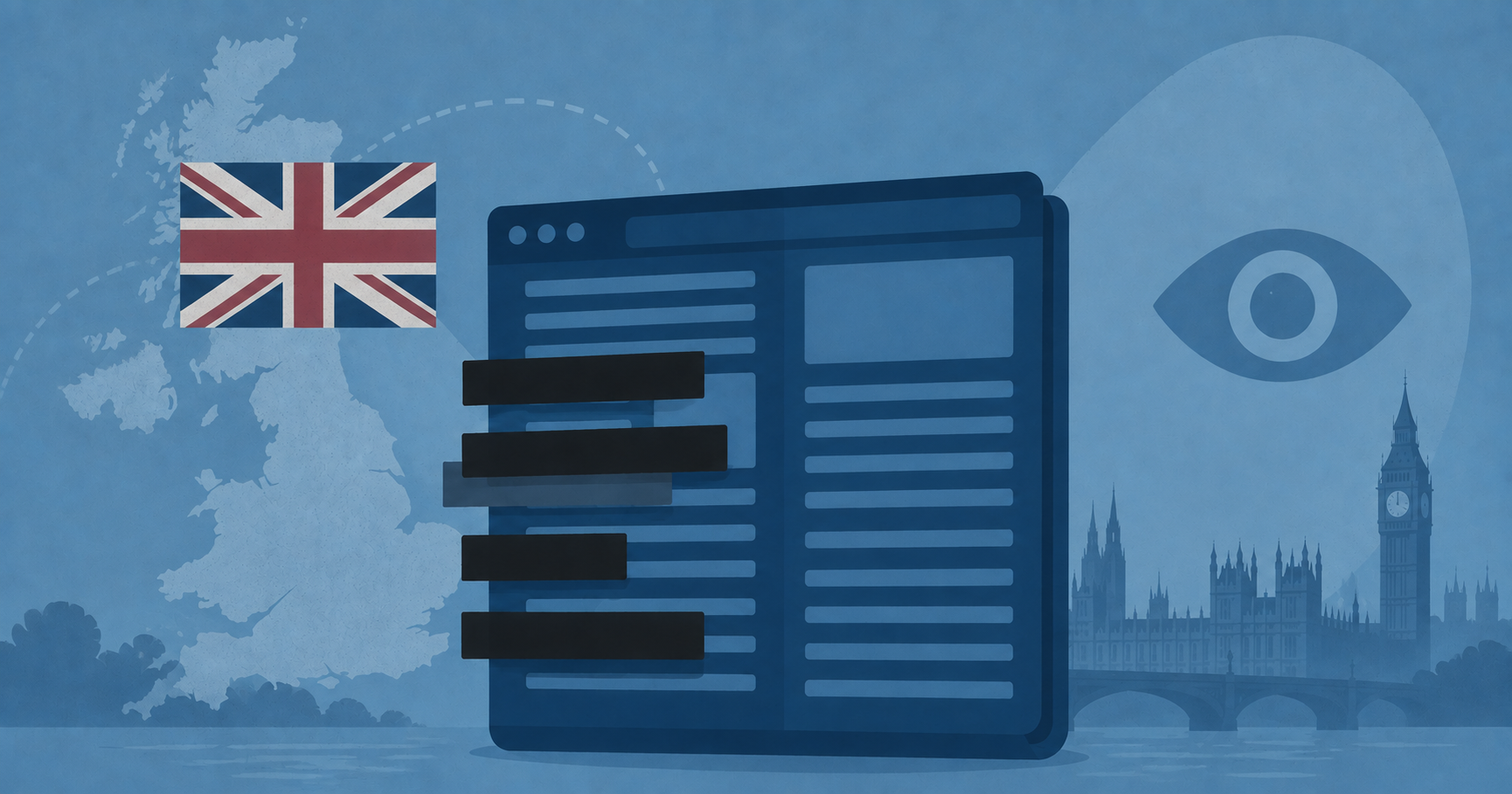
The Parliament of Wales in the UK (known as the “Senedd”) has passed a law granting judges the ability to bar candidates from office if they spread disinformation or falsehoods.
Adam Price, a former leader of the Plaid Cymru Party in Wales, who has pushed for the law for decades, said, “No parliament has required government by law to prohibit deliberate falsehood across the breadth of electoral speech.”
“That is the step Wales takes tonight,” Price added.
His party led the local efforts to enact the law to ban politicians from lying or face being banned from holding political office.
Foundation for Freedom Online noted that Price, at the Cambridge Disinformation Summit in 2024, said that passing laws preventing the spread of “false rumors” was the only stop fascism:
You have to use legal methods to defend democracy… three countries in the 1930s in Europe, Finland, Czechoslovakia and Switzerland were the only ones that passed laws to make it a criminal offense, to spread false rumors, disinformation of the day, three countries that didn’t internally fall to fascism. So what Karl Loewenstein said is, look, we have to defend democracy from the enemies of democracy, and we have to make the spreading of deliberate deception for ideological reasons, a criminal offense.
The law requires that Welsh ministers to “prohibit the making or publishing of false or misleading statements of fact before or during an election” to help the election of a candidate. Members of the Senned who break these rules could face a one-off vote within their constituency.
“This bill is meant to respond to that crisis of trust, it’s our statement that the Senedd will not tolerate members whose behaviour undermines our institution,” Welsh Liberal Democrats leader Jane Dodds said, stating that the legislation would help address the declining trust in politics.
Price also said at the conference that an “independent judicial process” would prevent abuse from politicians from banning their competition.
The allegedly “independent judicial process” has been used against President Donald Trump in the United States, against Jair Bolsonaro in Brazil, and in France, National Rally leader Marine Le Pen faces a five-year ban from holding office. Unless she wins on appeal, she would be prevented from running for the upcoming presidential election in 2027, in which he is the most popular political candidate.
In Romania, a populist presidential candidate’s victory in the first round of the election by a judge on the grounds that he been aided by “online disinformation” from Russia and TikTok.
The U.S.-government funded Atlantic Council praised the nullification of his election as an example of “democratic resilience.”
Some, however, said that there remains concerns about the Welsh law’s ability to curtail free speech.
Paul Davies, a Conservative, said, that there was “still a risk that the bill could unintentionally constrain legitimate debate and political expression.”
He continued that it was “important that any new system is proportionate, workable and capable of delivering the outcomes intended.”
One committee argued that the law would grant the Welsh government “extraordinary” powers to limit free speech.
One committee said the Welsh government was asking the Senned to “give its endorsement to the creation of a new serious criminal offence which is undefined and could have life-defining repercussions.”
Another said that the law could allow a future government to “seriously hinder full and proper democratic discourse during an election campaign.”