A growing theme across the western world has been the weaponization of the judiciary to crush populist uprisings. Recent cases include the five-year election ban against Marine Le Pen in France, and the overturning of the first-round victory of a Romanian presidential candidate on grounds of “Russian disinformation.”
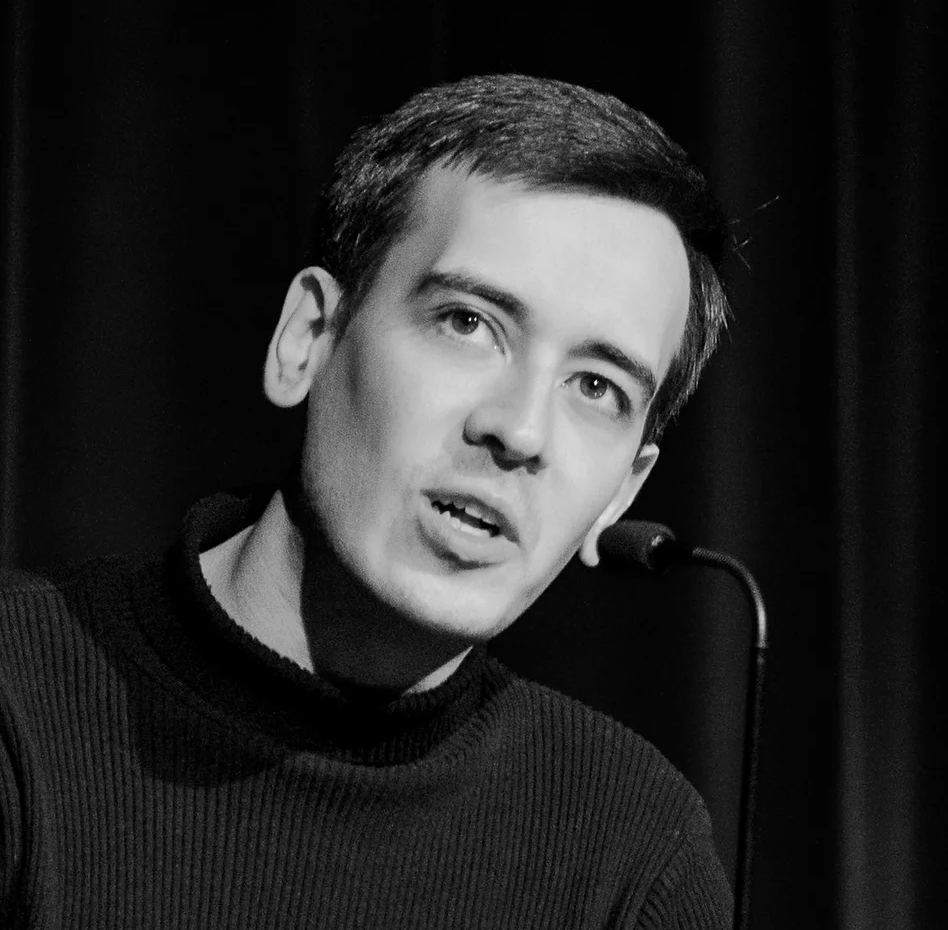
Speaking at the Cambridge Disinformation Summit in 2024, UK politician Adam Price praised his regional legislature in Wales for proposing legislation to ban candidates from elections if judges found them guilty of “disinformation.” Price, formerly the leader of Plaid Cymru, a Welsh regional party, argued that laws preventing the spread of “false rumors” are the only way to stop fascism.
You have to use legal methods to defend democracy… three countries in the 1930s in Europe, Finland, Czechoslovakia and Switzerland were the only ones that passed laws to make it a criminal offense, to spread false rumors, disinformation of the day, three countries that didn’t internally fall to fascism. So what Karl Loewenstein said is, look, we have to defend democracy from the enemies of democracy, and we have to make the spreading of deliberate deception for ideological reasons, a criminal offense.
Price hailed his regional legislature in Wales for its plans to simply ban politicians from running for office if an “independent” judge found them guilty of disinformation.
The ban was announced by the regional government of Wales in the United Kingdom in 2024. Wales is currently governed by UK prime minister Keir Starmer’s Labour party, which holds 30 of the 60 seats in the Welsh regional parliament.
However, it is Price’s Plaid Cymru party that has led efforts to get the law passed – forcing the Welsh government’s hand. According to the BBC, the Welsh government only announced its intention to introduce legislation – despite opposition from the Labour government’s top legal official – after an attempt by Mr. Price to pass his own version of a ban was narrowly defeated.
In his remarks at the Cambridge Disinformation Summit, Price effusively praised the Welsh government for caving in:
And I’m very proud of the fact that my parliament and the government in Wales, the Welsh government, has said that we are going to be the first parliament, the first jurisdiction in the world, to make deliberate deception by politicians an offense which will lead to that disqualification from politics through an independent judicial process, not decided by other politicians. Damien’s right on this, you can’t have politicians deciding whether a statement by another politician is true. But we have an independent judicial process.
This “independent judicial process” has played out in other countries — the 400 indictments against Donald Trump, the ban of Jair Bolsonaro from running for re-election in Brazil, and, in France, the five-year ban on holding public office against National Rally leader Marine Le Pen. Unless she wins on appeal, the ban will prevent Le Peon from running in France’s upcoming presidential election in 2027 — an election in which she is the most popular candidate, according to opinion polls.
In Romania, the first-round victory of a populist presidential candidate was annulled by judges on the grounds that he had been supported by “online disinformation” from Russia on TikTok and Telegram (the U.S. government-funded Atlantic Council praised the nullification as an example of “democratic resilience.”) A new election was held, during which French officials reportedly urged Telegram founder Pavel Durov to censor supporters of the populist candidate.
The common theme in all of these cases is the allegedly “independent” judiciary has exclusively targeting populist right-wing candidates, to the applause of the censorship industry and its supporters. Price’s plan represents an end game of sorts: banning not just presidential candidates, but even regional political candidates if they are found to be spreading disfavored information and disfavored narratives.
Nor are ordinary citizens immune. The Economist recently reported that in the UK, 30 people a day are arrested for online posts. And in Germany, the Network Enforcement Act (NetzDG) of 2017 has led to thousands of online speech crime cases a year, with glowing coverage from U.S. media.