Germany’s network of state media regulators — the Landesmedienanstalten — is assembling a regulatory framework that would compel social media platforms to algorithmically privilege government-sanctioned news sources. Under the proposed rules, platforms including X, Facebook, TikTok, and Instagram could be legally required to elevate “reliable” media outlets in their feeds, recommendations, and search rankings, with everything outside those categories correspondingly buried.
This is a legally-mandated version of the practice tech companies frequently engaged in at the height of censorship in the late 2010s and early 2020s, when platforms such as YouTube were found to have manually adjusted search results to favor establishment news sources in keyword searches for politically sensitive topics.
The regulators are marketing the proposal in the now-familiar vocabulary of the censorship industry: “protecting media plurality” and combating “disinformation.” But the mechanics of the policy invert the very plurality it claims to defend. A government-blessed list of “trusted” sources is, by definition, a government-blacklisted list of everyone else. Independent outlets, citizen journalists, and politically inconvenient publications would not need to be removed from the platforms; they would simply be made invisible.
The holy grail of online speech control is preemption, and algorithmic boosting of state-approved sources accomplishes preemption without the political cost of a single explicit takedown. Nothing gets “censored.” It just never reaches anyone.
The central question — who decides what counts as “reliable” — is the entire game. In every comparable Western framework, that determination has flowed downhill from legacy publishers, government-funded “fact-checkers,” and NGO intermediaries with deep ties to the regulatory state. The German proposal offers no reason to expect a different outcome.
Censorship industry hubs are already positioning themselves as the trusted authority on such design tweaks. As FFO previously expose, the Knight-Georgetown Institute – founded in 2024 – is structured around influencing platform design, including the elevation of establishment media in social media algorithms.
KGI’s board is stacked with key figures from the first wave of social media censorship, including James Baker, who was the FBI’s Russiagate lawyer as well as a top lawyer for Twitter prior to Elon Musk’s purchase of the platform, and Alondra Nelson, Biden’s acting director of the White House Office of Science and Technology Policy, who oversaw a sprawling federal interagency misinformation crackdown spanning 26 agencies, 14 universities, and 20+ NGOs.
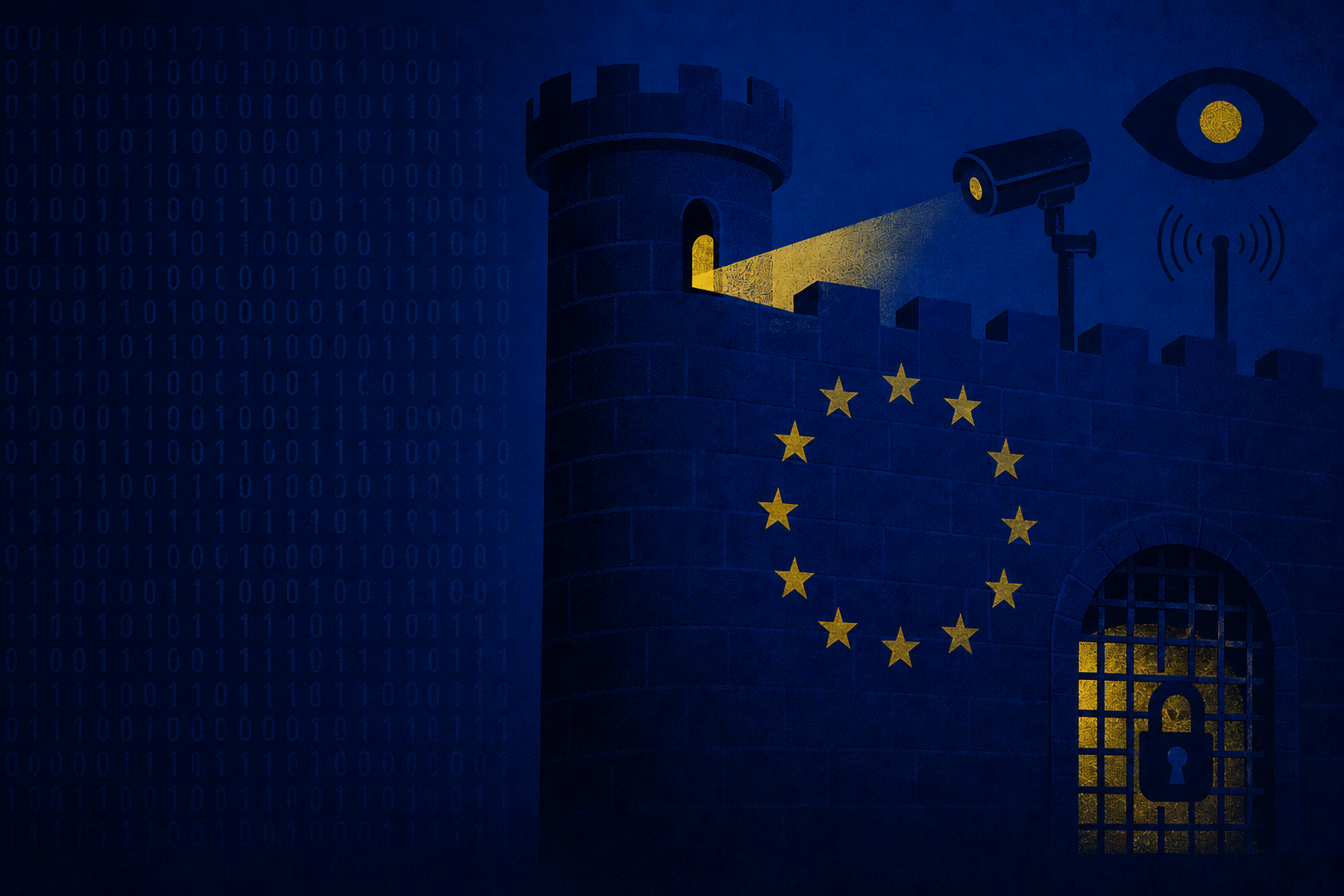
The German push does not exist in isolation. It is the latest expression of the broader European regulatory architecture built atop the EU’s Digital Services Act, which has been steadily transforming “platform accountability” into a mechanism for state influence over public discourse, and which itself was heavily influenced by Germany’s NetzDG, the 2017 law which was the first major European excursion into online censorship.
The DSA’s enforcement structure already pressures platforms to defer to officially designated “trusted flaggers” on content removal. Berlin’s regulators are simply proposing to do on the visibility side what Brussels has been building on the takedown side: a tiered information system in which proximity to state institutions determines reach.