SUMMARY
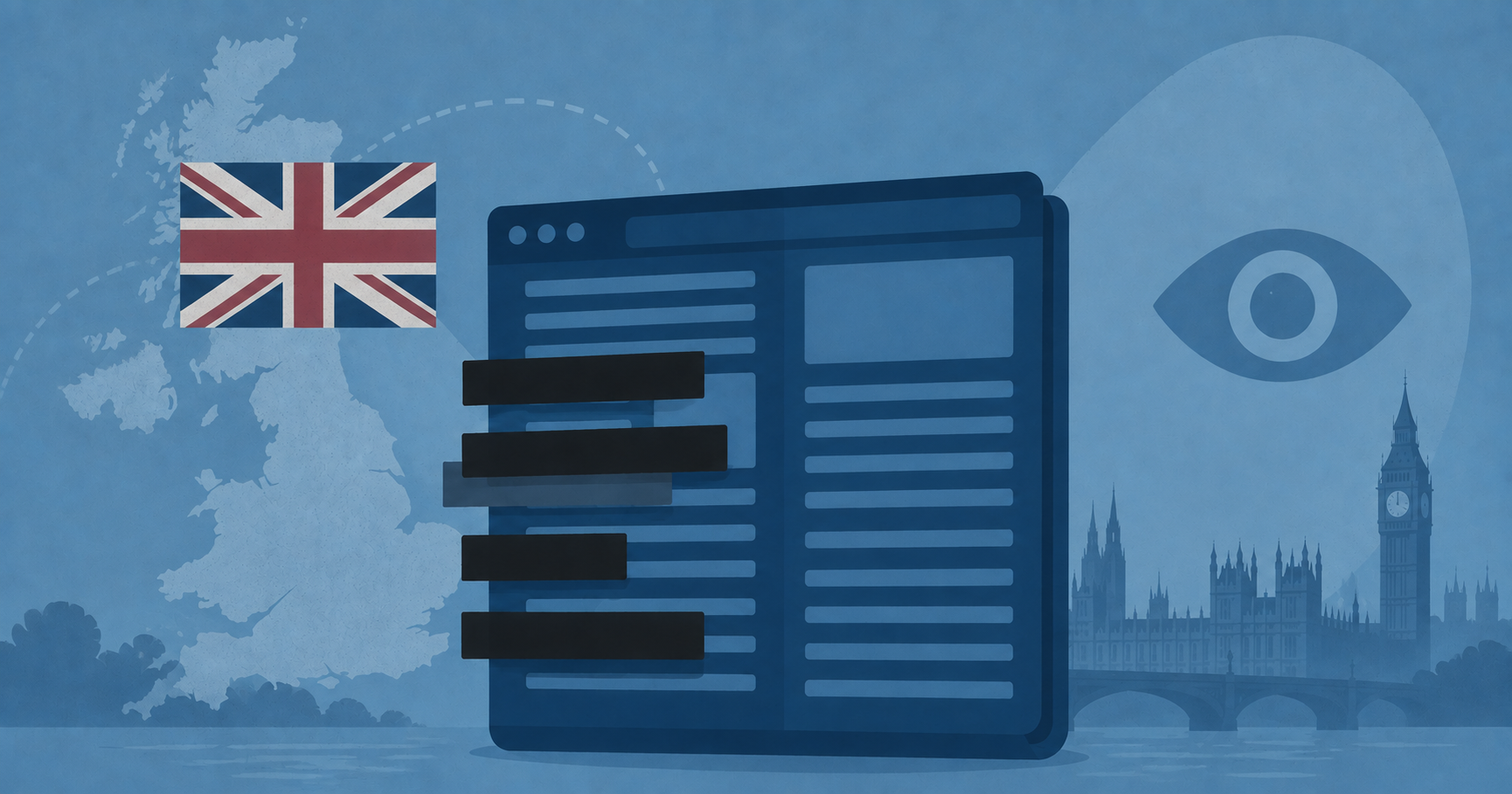
- A British media agency is at the center of a diplomatic row after allegations of election interference from the Slovakian government, under the pretext of “countering disinformation.”
- The agency, Zinc Network, has received over $12 million from the UK Foreign Office and over $13.7 million from USAID, the U.S. Department of State, and the U.S. Department of Defense to conduct various media campaigns and capacity-building around the world.
- Online influencers on Zinc’s payroll were required to sign NDAs forbidding them from revealing government involvement.
- UK government officials personally approved and provided feedback on content from Zinc affiliated influencers before it could be released.
- The UK government says Zinc’s work was vital to “countering disinformation.”
Zinc Network Ltd (formerly Camden Creative Ltd, then Breakthrough Media) is a London-based communications, media, and campaigning agency founded in 2008. According to its website, it deploys insights from “behavioral science” to promote social change around the world.
But this is more than just a marketing company with a penchant for deep psychology. It’s effectively a state cutout, funded to the tune of £9,450,000 (around $12,800,000) by the UK government’s foreign office, as reported by Declassified UK. As Zinc’s own website states, it also specializes in “capacity building” — on both sides of the Atlantic, that’s foreign policy-code for building influence in foreign countries.
The UK says Zinc’s work is vital to spreading “truth,” telling Declassified that “the UK will always champion truth and democratic values. Working with partner governments, we use a range of efforts to resist and rebut disinformation spread by those that wish to target the British people and our allies.”
The disinformation boogeyman is used on both sides of the coin — to justify the online censorship of media voices that governments want to silence, and also to astroturf their competition.
As the Foundation for Freedom Online can reveal, Zinc also received funding from the U.S. federal government: nearly $10 million in funding from USAID, and just over $3.7 million from the U.S. Department of State and Department of Defense.
The full list:
- $9.3 million USAID grant, tasking Zinc with enhancing “Georgian efforts to advance the integrity of the information space and build societal resilience in the face of disinformation and propaganda campaigns.”
- $500,000 USAID contract, again in Georgia, tasking Zinc with operating a pro-vaccination communication campaign.
- $500,000 State Department contract to identify “local audiences vulnerable to recruitment and radicalization” and build “capacity to develop alternative narratives.” The place of performance for the operation was in Trinidad and Tobago.
- $1.9 million State Department grant to Zinc sought to build “counter-violent extremism narratives in Somalia.”
- $300,000 State Department grant to Zinc to support “targeted messages for populations reeling from marginalization, ethno-religious identity and religious freedom” in Nigeria.
- $569,597 Department of Defense contract in Kenya to have Zinc operate a radio public service announce (PSA).
Some of these grants, such as countering extremism in Somalia, is what you might expect the U.S. government’s foreign influence budget to be spent on. But Zinc’s work in parts of the world that are less prone to extremism have drawn backlash.
Zinc has been particularly active in central and eastern Europe, where it collaborated with the International Research & Exchanges Board (IREX) to create the Central Europe Media Program (CEMP), an initiative aimed at building “independent online news outlets across Central Europe.”
The collaboration represented two USAID-funded influence operations coming together. Headquartered in Washington DC, IREX is a global behemoth of U.S influence, having received a combined $68 million from USAID and the Department of State over the years.

The media capacity-building came in the form of a network of social media influencers, who were forbidden from disclosing their government funding via non-disclosure agreements. UK government involvement was even more granular than just funding — UK government officials would, according to the report, individually check and approve each video from Zinc’s influencers before they were released.
According to Declassified, one former Zinc employee summed up the campaigns as undisclosed foreign interference:
One former employee said that, by targeting younger voters, Zinc Network’s campaign amounted to “interference in a sovereign country’s internal affairs”.
The source said that the company’s executives “see the world through their British eyes”, adding: “It looked like dictating the foreign will.”
On at least one occasion, multiple staff members raised ethical concerns about a particular influencer campaign, but a source said that senior managers at Zinc “didn’t quite understand why there was an issue”.
Zinc’s biggest controversy played out in Slovakia, which became a key testing ground for the CEMP initiative it launched in partnership with USAID-funded IREX. The launch of CEMP just so happened to occur in May 2023, just four months before Slovakia’s Parliamentary election. The CEMP campaign, aimed at mobilizing young voters, ultimately failed to prevent the election of economic populist and social conservative Robert Fico, who opposed continued Slovak military support for Ukraine.
Now that Fico is in office as Slovakia’s Prime Minister, Zinc’s activities have been the cause of a diplomatic row between the Central European country and the UK. In a press conference last month, Fico declared “a foreign power influenced the Slovak parliamentary elections in 2023 to the detriment of [my political party].” The Slovakian government considered the matter serious enough to summon the British ambassador.
For its part, the UK government maintains that it took no partisan stance in the election, stating “this activity focused on encouraging young people to participate in democratic events in their countries by participating in elections, regardless of their political affiliation or support.”