The White House is reportedly preparing to revoke the U.S. visa of Imran Ahmed, chief executive of the UK-based Centre for Countering Digital Hate (CCDH), a UK-founded nonprofit closely tied to the current left-wing Labour government, with a track record of pressuring tech platforms to censor Americans.
According to The Telegraph, Ahmed — a former Labour Party aide and close associate of Sir Keir Starmer’s chief of staff, Morgan McSweeney — has been placed “at the top of the list” for visa restrictions following internal White House discussions. The move signals a potential crackdown on foreign nationals who have played an outsized role in shaping America’s online speech policies through lobbying, “disinformation” reports, and private coordination with social media companies.
The CCDH presents itself as a non-profit fighting “digital hate and misinformation.” In practice, its campaigns have targeted U.S. citizens for deplatforming, including Trump administration officials, vaccine skeptics, and journalists critical of government narratives. The organization’s “Disinformation Dozen” report — which recommended the blacklisting of figures such as Robert F. Kennedy Jr. — served as a key justification for major social media bans.
Ahmed’s influence extended beyond content moderation. Leaked internal CCDH documents listed “kill Musk’s Twitter” as an organizational priority after Elon Musk pledged to restore free expression on X. The group’s transatlantic operation depicted Musk’s platform as a hub for “hate speech” and “misinformation.” Musk later accused CCDH of engaging in unlawful foreign interference in U.S. elections.

Now, Washington insiders suggest the tide is turning. Per the Telegraph’s report, officials from the State and Justice Departments are said to be “actively considering” visa restrictions on Ahmed, reflecting growing frustration with British and EU efforts to export censorship standards to the United States. One source said the administration “wants to send a message that they’re not having it.”
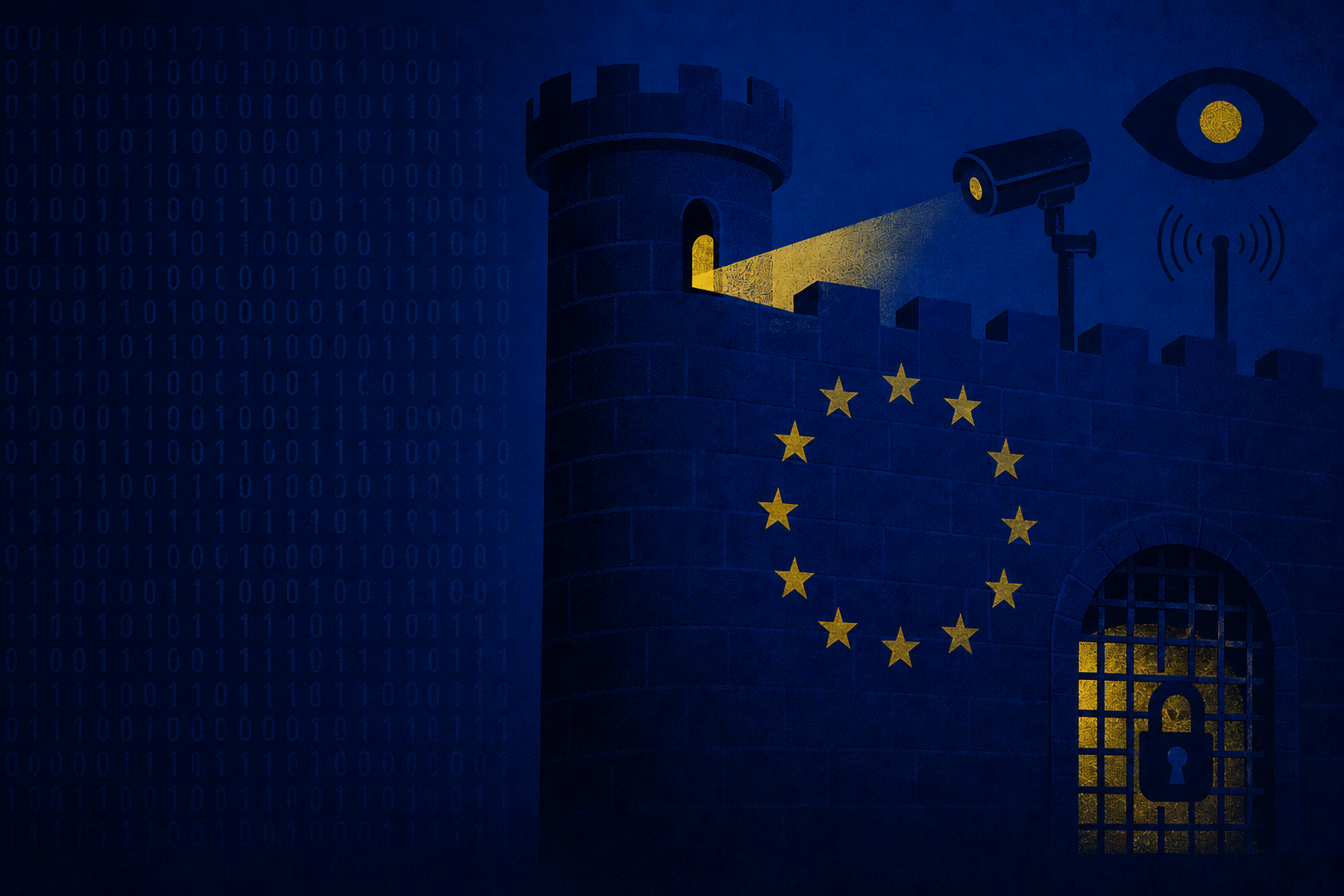
The move also aligns with a broader campaign to challenge Britain’s Online Safety Act, which empowers UK regulators to fine U.S. companies like X and Truth Social for failing to suppress “harmful” speech — even when that speech is legal in the United States. Critics in Congress have called the law “an unprecedented foreign attack on the First Amendment.”
The case underscores a widening rift between American constitutional protections and the UK’s expanding censorship bureaucracy. Just months ago, U.S. diplomats confronted British officials over the Online Safety Act, warning that transnational enforcement of “speech crimes” could erode Western democratic norms.
If Ahmed’s visa is indeed revoked, it would mark another White House-led rebuke of the global censorship industry — and a declaration that those who attempt to silence Americans under the banner of “safety” or “disinformation” will no longer enjoy safe harbor on U.S. soil.